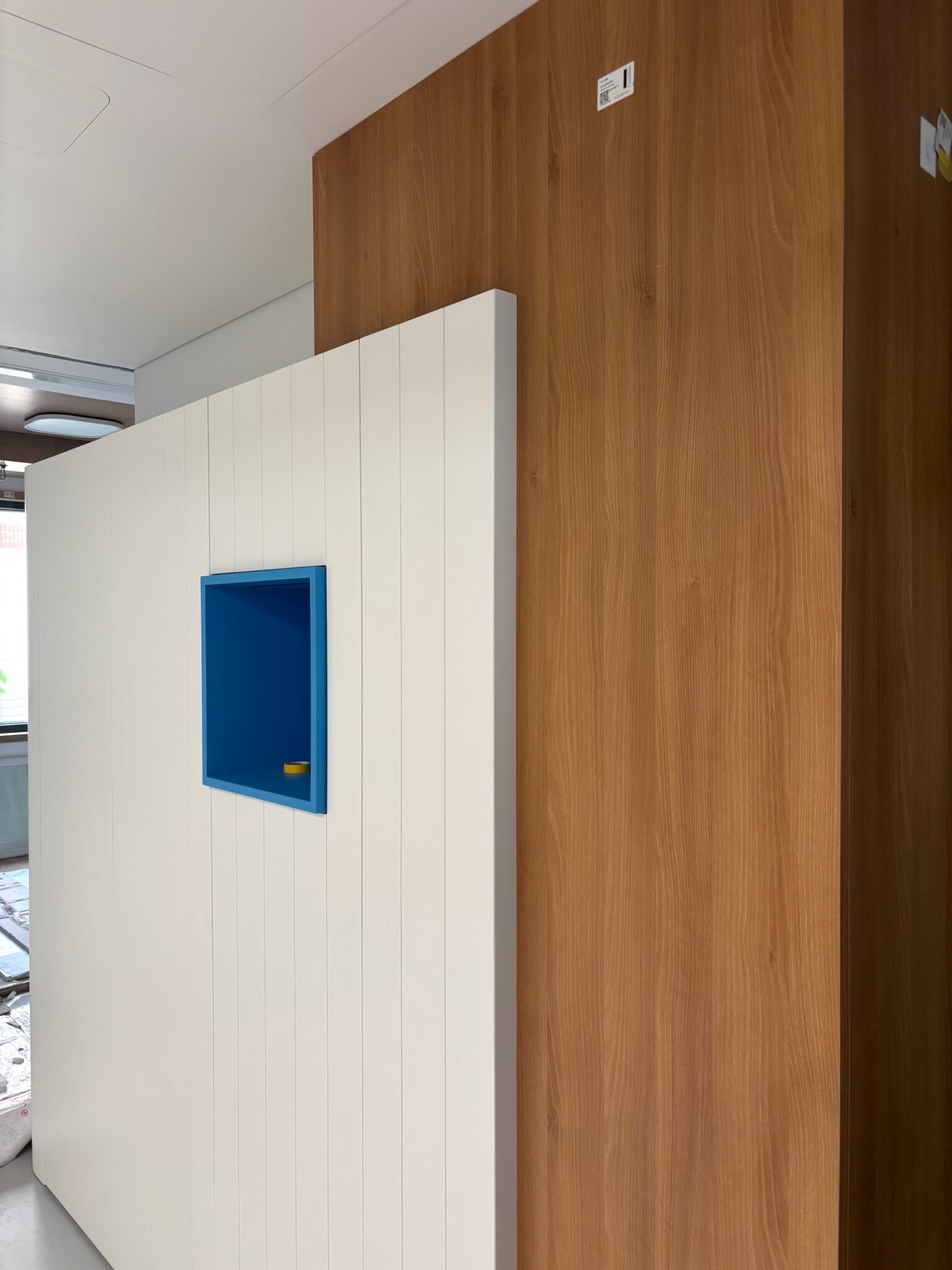
A cabinet installation problem rarely starts on installation day.
More often, the problem goes back to something that happened weeks earlier: a site measurement that changed, a shop drawing that wasn’t fully checked, a detail that was missed during approval, or a last-minute change that didn’t make it back to the factory.
By the time the issue reaches the jobsite, fixing it usually means extra labour, schedule pressure, and another trip back to site.
For builders, contractors, and joinery teams handling multiple projects, this is where modular cabinet systems can make a real difference. The goal isn’t to make every project look the same. It’s to make the parts that don’t need to change more predictable.
Why Cabinet Installation Problems Start Before Installation
Most cabinet installation problems aren’t caused by the installer.
They are usually the result of something that wasn’t resolved earlier in the project.
A few common examples:
- Site dimensions don’t match the original drawings
- Wall or floor conditions are different from the plan
- Hardware locations aren’t clearly defined
- A late design change reaches the site before it reaches production
- Cabinet components aren’t consistent from one unit to the next
- Installers have to cut, trim, or modify cabinets that were supposed to arrive ready for installation
None of these issues sounds major on its own.
The problem is what happens next.
An installer spends extra time modifying one cabinet. Another unit needs adjustment. The installation crew waits for clarification. A follow-up visit is required.
On a single kitchen, that may be manageable. On a multi-unit residential project, those small delays can quickly add up.
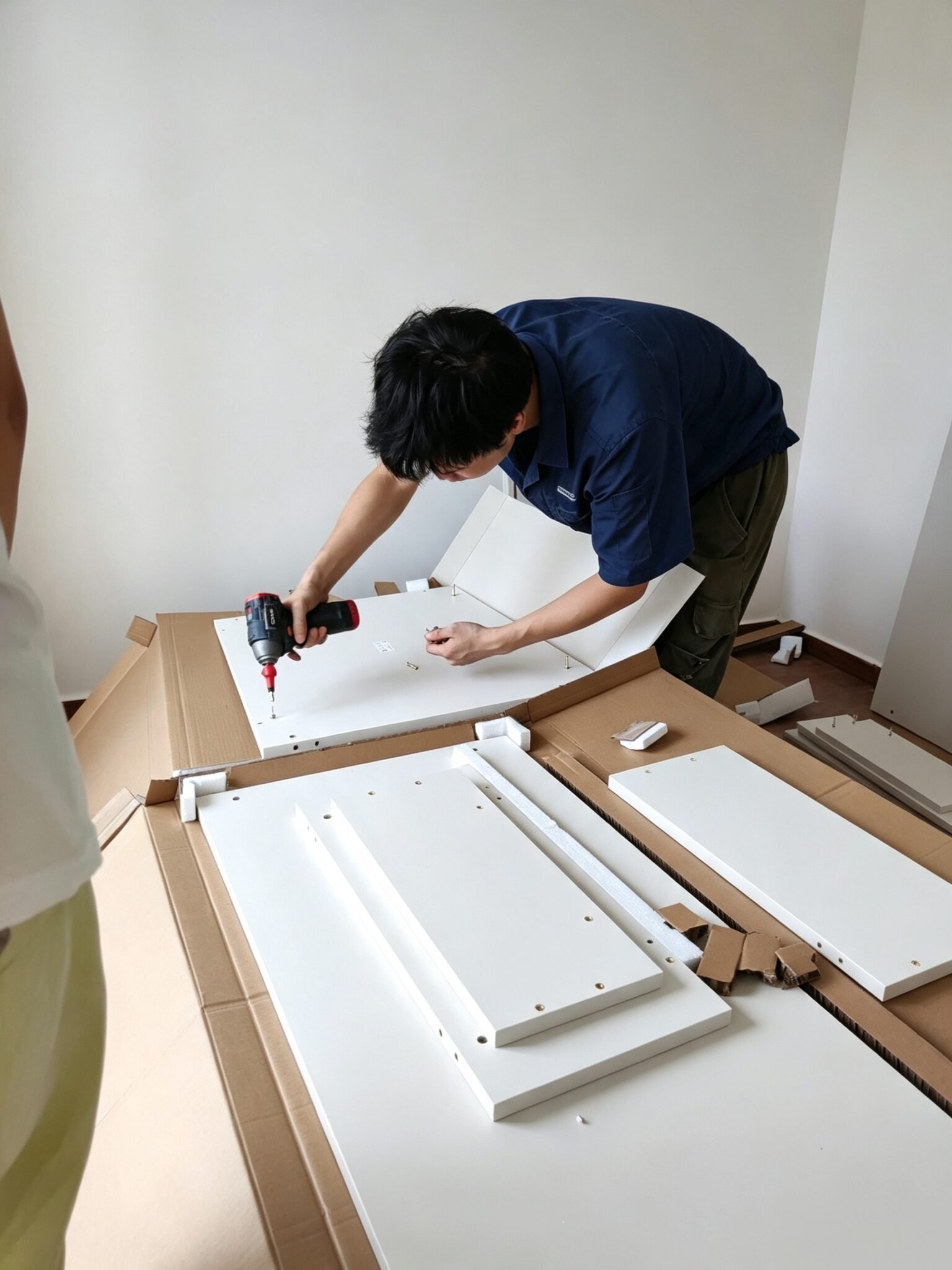
How Modular Cabinet Systems Improve Installation Efficiency
This is where modular cabinetry has an advantage.
A modular approach doesn’t mean giving up custom sizes, finishes, or layouts. It means using a repeatable cabinet structure underneath the custom design.
The cabinet dimensions, construction details, drilling patterns, and hardware locations can be planned before production rather than figured out during installation.
That makes the process easier to repeat across kitchens, wardrobes, vanities, and other cabinet packages.
For project-based work, that repeatability matters.
If a builder has ten similar units to complete, the installation team shouldn’t have to solve ten completely different cabinet problems.
The Role of Cabinet Manufacturing Accuracy
Good installation starts with good cabinet manufacturing.
Once production begins, accuracy matters at every step. Panels need to be cut consistently. Drilling needs to be in the right position. Components need to match the approved drawings. And cabinets produced for the same project need to follow the same construction details.
This is where CNC cabinet manufacturing becomes valuable.
CNC equipment allows cutting and drilling operations to be repeated accurately across multiple components. When combined with proper production drawings and quality control, it reduces the amount of interpretation required on the shop floor — and the amount of adjustment required later on site.
The objective isn’t simply tighter manufacturing tolerances.
It’s fewer surprises when the cabinets arrive at the jobsite.
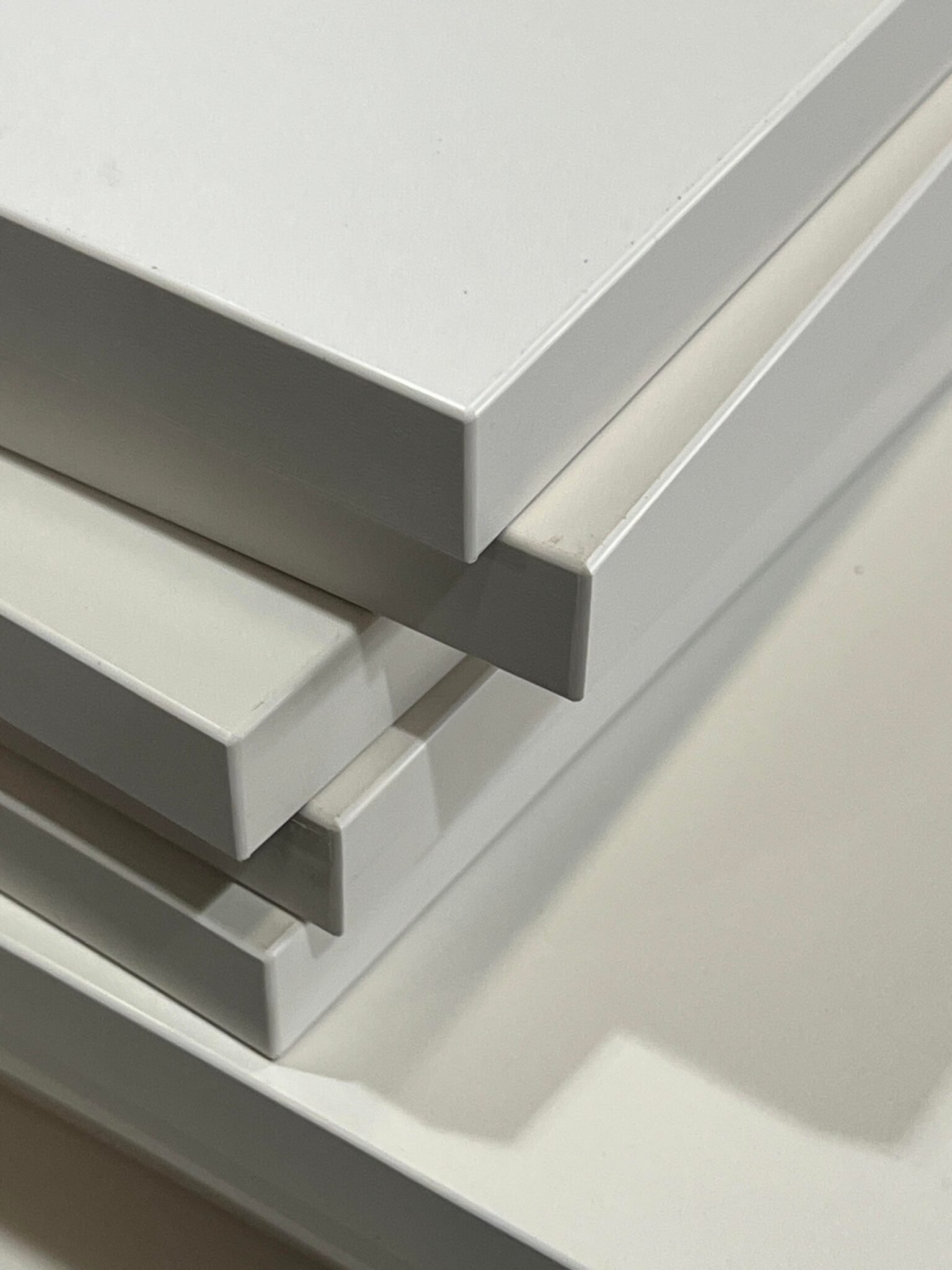
Better Cabinet Installation Coordination Starts With Better Drawings
For larger commercial cabinet projects and residential development cabinets, the factory isn’t working in isolation.
There may be a designer, builder, project manager, installer, architect, and several other trades involved.
That makes drawing coordination just as important as manufacturing.
Before production starts, cabinet dimensions, finishes, hardware, appliance requirements, fillers, panels, and other project details need to be confirmed.
Clear shop drawings give the project team a chance to catch problems while they are still easy to fix.
Changing a detail on a drawing is simple.
Changing a finished cabinet on site is not.
That is one of the biggest reasons cabinet project management matters when working on multiple units or larger projects.
Why Builders Look for More Predictable Cabinet Systems
For builders, the cost of cabinetry isn’t limited to the factory price.
Installation labour, site delays, rework, storage, coordination, and callbacks can all affect the final project cost.
That’s why cabinets for builders need to be more than visually appealing. They need to arrive in a condition that allows the installation team to do its job efficiently.
A well-planned modular cabinet system can provide:
- More consistent cabinet construction across multiple units
- Easier production planning
- Clearer installation requirements
- Less site modification
- More predictable installation times
- Consistent results from one project to the next
This becomes especially valuable when a builder is working on repeated layouts or multiple residential units.
The more often a cabinet package is repeated, the more value there is in having a system behind it.
Modular Does Not Mean One-Size-Fits-All
One common misconception about modular cabinetry is that it limits customization.
It doesn’t have to.
A modular system can still accommodate different cabinet widths, heights, finishes, internal layouts, hardware, appliances, and project requirements.
The difference is that customization happens within a controlled manufacturing system.
That gives a custom cabinet manufacturer a better way to handle both one-off requirements and repeat project work.
For an overseas cabinet manufacturer, this is particularly important. Once cabinets are being produced and shipped internationally, fixing a manufacturing error is far more complicated than correcting it before the cabinets leave the factory.
The more that can be checked, approved, and resolved before production and shipping, the lower the risk for everyone involved.
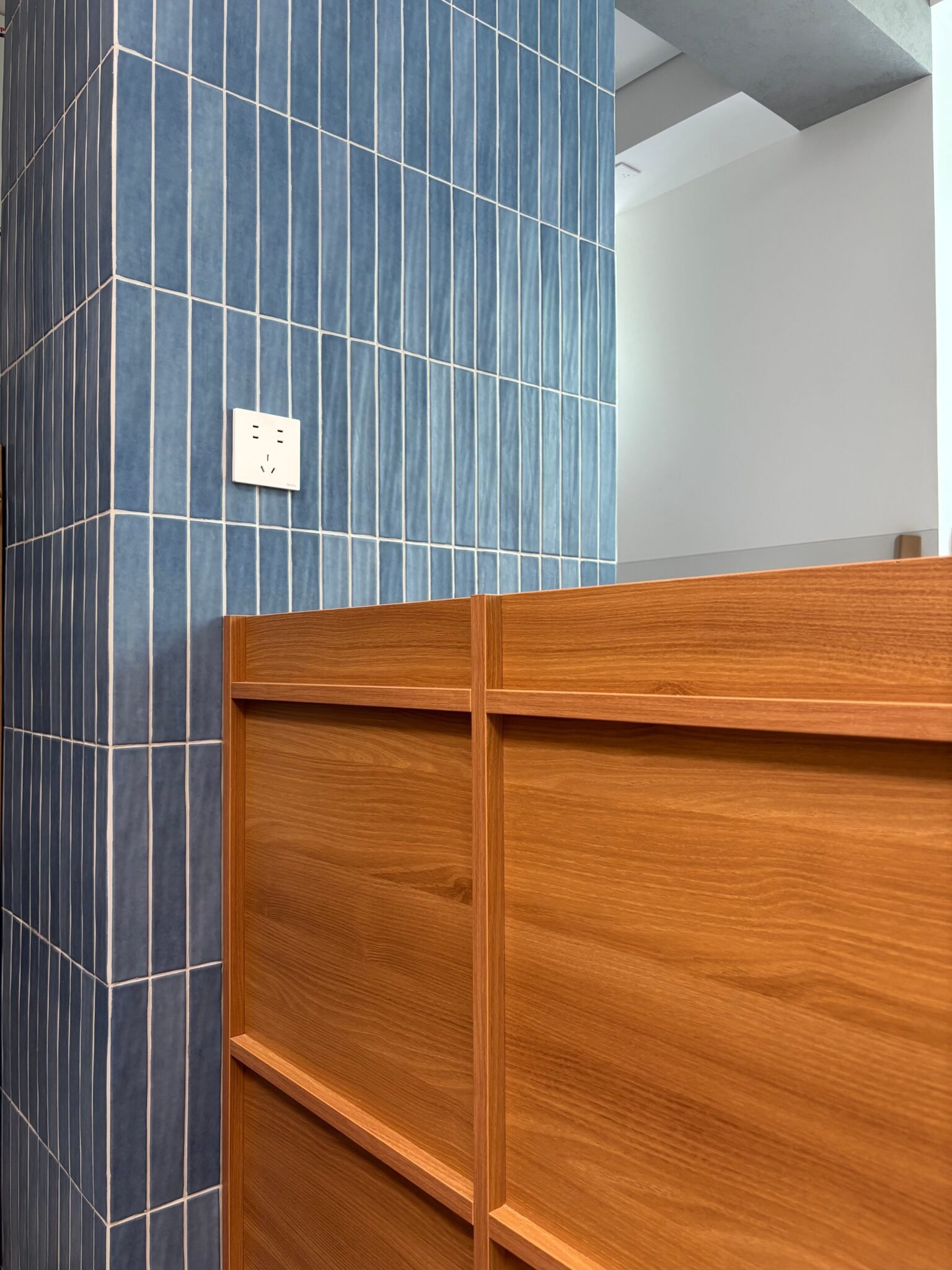
A Better Cabinet Project Is Planned Before It Reaches Site
A successful cabinet installation isn’t just about having good installers.
It starts much earlier.
Accurate drawings, confirmed dimensions, consistent manufacturing, clear communication, and a repeatable cabinet system all contribute to a smoother installation.
That’s the real value of modular cabinet systems.
They don’t remove every challenge from a cabinet project. They reduce the number of problems that have to be solved for the first time on site.
For builders, contractors, and project teams, that can mean less rework, better control over installation time, and a more predictable path from factory production to project handover.
If you’re sourcing cabinets for a residential development, commercial project, or multi-unit fit-out, the right manufacturing partner should be able to discuss not only the cabinet itself, but also how the system will be produced, packed, delivered, and installed.