
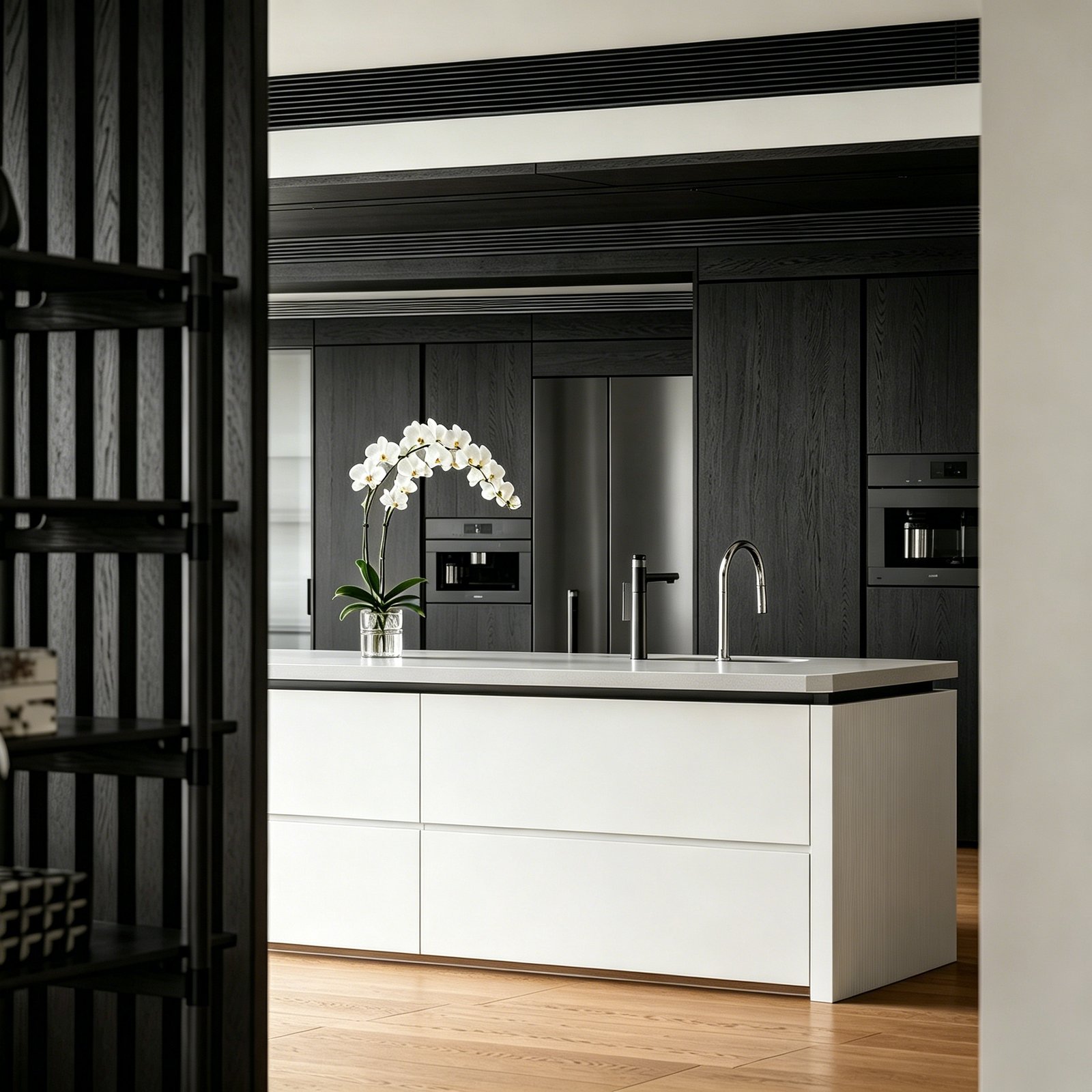
How Much Do Custom Kitchen Cabinets Cost in 2026?
How much do custom kitchen cabinets cost? It’s one of the most common questions homeowners ask when planning a kitchen renovation.
Unlike stock cabinets with fixed dimensions, custom kitchen cabinets are built specifically for your space, storage needs, and design preferences. Because every project is different, pricing can vary significantly depending on materials, hardware, finishes, and installation requirements.
In this guide, we’ll break down average custom kitchen cabinet costs, explain cost per linear foot, and show which factors have the biggest impact on your final budget.
Average Cost of Custom Kitchen Cabinets
On average, custom kitchen cabinets cost between $500 and $1,200 per linear foot, including materials and fabrication.
A typical kitchen project may fall into the following ranges:
| Kitchen Size | Typical Cost Range |
|---|---|
| Small Kitchen | $8,000–$15,000 |
| Mid-Size Kitchen | $15,000–$25,000 |
| Large / Luxury Kitchen | $30,000+ |
Actual pricing depends on cabinet construction, material selection, hardware systems, and design complexity.
Cost Per Linear Foot Explained
Many cabinet manufacturers use a cost-per-linear-foot pricing model.
This typically includes:
- Cabinet carcasses
- Door and drawer fronts
- Standard drawer systems
- Basic hardware
Additional features such as pull-out organizers, pantry accessories, integrated lighting, or specialty storage systems are usually priced separately.
While cost per linear foot is useful for budgeting, it should not be the only factor when comparing quotes. Material quality, construction methods, and hardware specifications can significantly affect long-term performance.
What Factors Affect Custom Kitchen Cabinet Cost?
Several factors influence the final cost of custom kitchen cabinets:
- Kitchen size and layout
- Cabinet materials
- Door style and finish
- Drawer and organizer systems
- Hardware quality
- Installation requirements
- Custom design complexity
For example, a simple straight-line kitchen is typically much more affordable than a large U-shaped kitchen with an island, tall pantry cabinets, integrated lighting, and specialized storage accessories.
Understanding these cost drivers helps homeowners compare quotes more accurately and avoid unexpected expenses later in the project.
What Affects the Price of Custom Cabinets?
1. Cabinet Materials
Material selection is one of the biggest factors affecting cabinet pricing.
Higher-grade plywood, premium veneers, PET finishes, and specialty materials generally cost more but often provide better durability and moisture resistance.
If you’re comparing options, explore our guide to the best cabinet materials in:
Best Materials for Custom Cabinets
You can also learn more about long-term performance in:
Material Quality in Custom Furniture
2. Hardware & Accessories
Hardware is often overlooked during budgeting.
Soft-close hinges, premium drawer systems, pull-out organizers, hidden tracks, and storage accessories all increase project costs but can significantly improve daily usability.
For a detailed breakdown, see our:
3. Labor & Custom Design
Custom cabinets require more than materials and machining.
Every project involves design development, site measurements, engineering, production planning, finishing, quality control, and installation coordination.
To understand how the process works, read our:
Custom Furniture Production Timeline
Custom vs Semi-Custom & Stock Cabinets
Custom cabinets generally cost more upfront than stock or semi-custom alternatives.
However, they also provide:
- Better space utilization
- Greater design flexibility
- Stronger construction options
- Longer service life
Many homeowners find that custom cabinetry reduces future modifications and replacement costs.
For a full comparison, see:
Custom vs Ready-Made Furniture
You may also find this guide helpful:
How to Reduce Custom Cabinet Cost (Without Cutting Quality)
There are several ways to lower project costs without sacrificing performance:
- Choose plywood over solid wood interiors
- Limit unnecessary storage accessories
- Use veneer finishes strategically
- Standardize cabinet dimensions where possible
- Purchase directly from manufacturers instead of multiple intermediaries
Careful material selection and thoughtful design often provide greater savings than simply choosing the lowest quote.
Design Choices That Affect Budget
Design decisions can have a major impact on final pricing.
Features that typically increase costs include:
- Handleless cabinet systems
- Integrated lighting
- Glass display cabinets
- Custom interior organizers
- Specialty finishes
- Large kitchen islands
For current market trends and inspiration, visit:
Installation Costs and Site Conditions
Many homeowners focus entirely on cabinet manufacturing costs while overlooking installation-related expenses.
In reality, site conditions can significantly affect project budgets.
Uneven floors, out-of-plumb walls, shifted plumbing locations, or last-minute site changes may require additional labor during installation.
Learn more in:
Why Perfectly Manufactured Cabinets Still Require Site Modifications
and
Why More Cabinet Projects Fail During Installation
FAQ
How much do custom kitchen cabinets cost per linear foot?
Most custom kitchen cabinets cost between $500 and $1,200 per linear foot, depending on materials, hardware quality, finish specifications, and design complexity.
Are custom kitchen cabinets worth the investment?
Custom kitchen cabinets provide better space utilization, stronger construction, and greater design flexibility than stock cabinets. Many homeowners choose custom cabinetry for long-term value and improved functionality.
What is the biggest factor affecting cabinet cost?
Material selection, cabinet size, hardware quality, and the level of customization are typically the largest cost drivers in a custom kitchen cabinet project.
What material is best for custom kitchen cabinets?
Moisture-resistant plywood is widely considered one of the best choices because it offers excellent strength, durability, and long-term performance.
Can I reduce the cost of custom kitchen cabinets?
Yes. Choosing simpler layouts, limiting specialty accessories, and selecting cost-effective finishes can help reduce overall costs without sacrificing quality.
Final Thoughts
Custom kitchen cabinet costs vary widely because every project is unique.
The best approach is to evaluate pricing alongside material quality, hardware specifications, installation requirements, and long-term durability—not just the initial quote.
A well-designed cabinet system can provide decades of performance while improving both functionality and property value.
For a complete overview of materials, hardware, production processes, and design options, start with our: