Design Trends & Case Studies 2026 — Custom Furniture That Blends Form and Function
In 2026, furniture design goes beyond surface aesthetics — it’s about adaptability, sustainability, and the fusion of digital tools with traditional craftsmanship. This article explores the newest design directions and real-world projects that define modern custom furniture.
1. From Fixed to Flexible Spaces
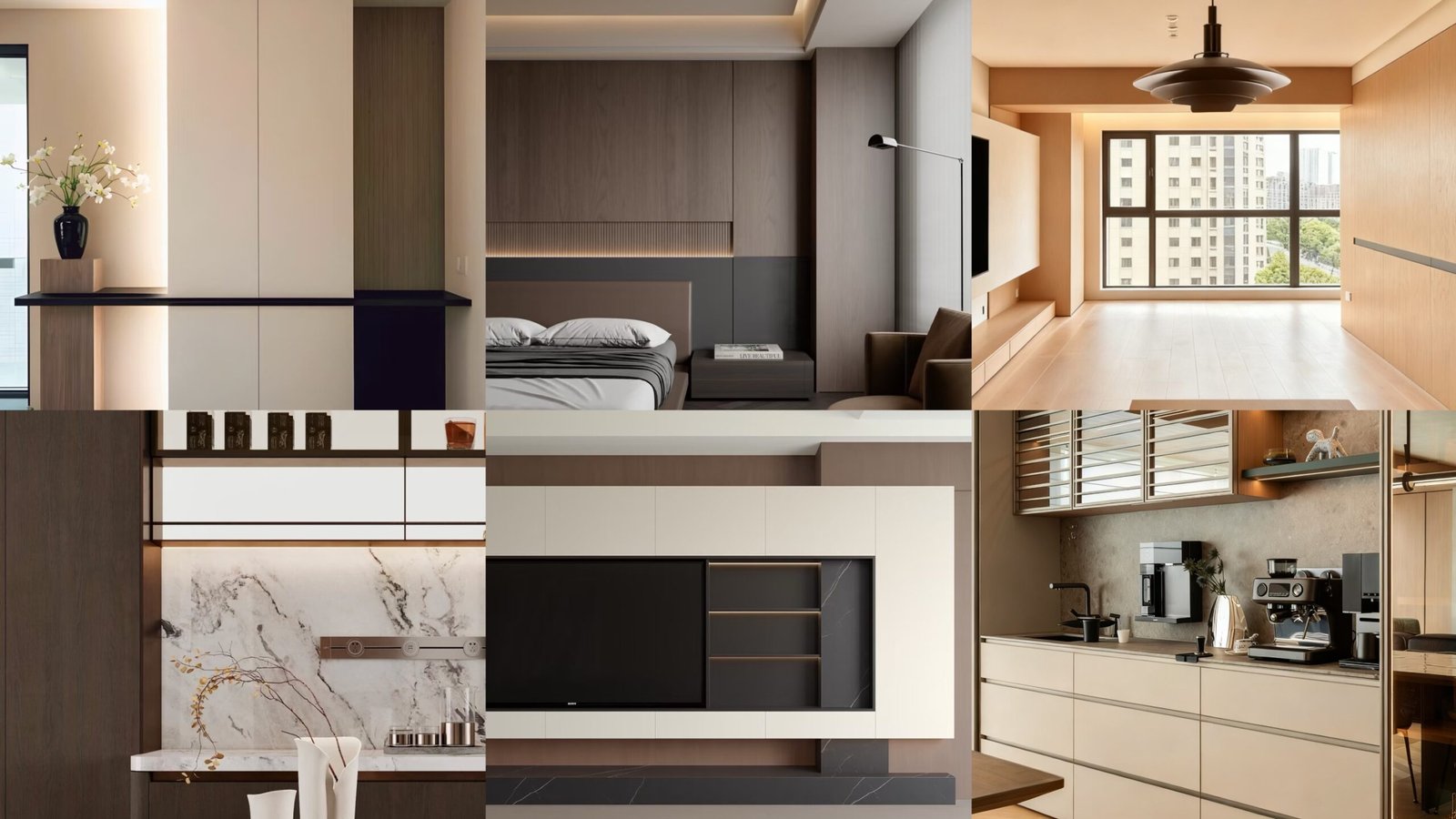
Urban homes continue to shrink, but design creativity expands. In 2026, furniture isn’t static — it transforms. Think wall beds that vanish by day, modular sofas that split for gatherings, or dining tables that double as workstations.
- 🏠 Compact solutions: Wall-mounted desks and concealed storage designs.
- 🧩 Modular flexibility: Interchangeable panels and adjustable components.
- 💡 Smart integration: Built-in charging ports, LED lighting, and cable-free layouts.
2. Sustainable Design Takes Center Stage
Sustainability is no longer a niche — it’s the foundation. In 2026, eco-friendly materials and processes are the standard for modern furniture makers. Designers prioritize renewability and recyclability from the concept stage onward.
- 🌱 Eco-certified plywood and veneer: Low formaldehyde, FSC-grade sourcing.
- ♻️ Recyclable metal fittings: Stainless steel and anodized aluminum for long-term use.
- 🪵 Local sourcing: Cutting logistics emissions while supporting regional craftsmanship.
3. Color, Texture & Form — The 2026 Aesthetic
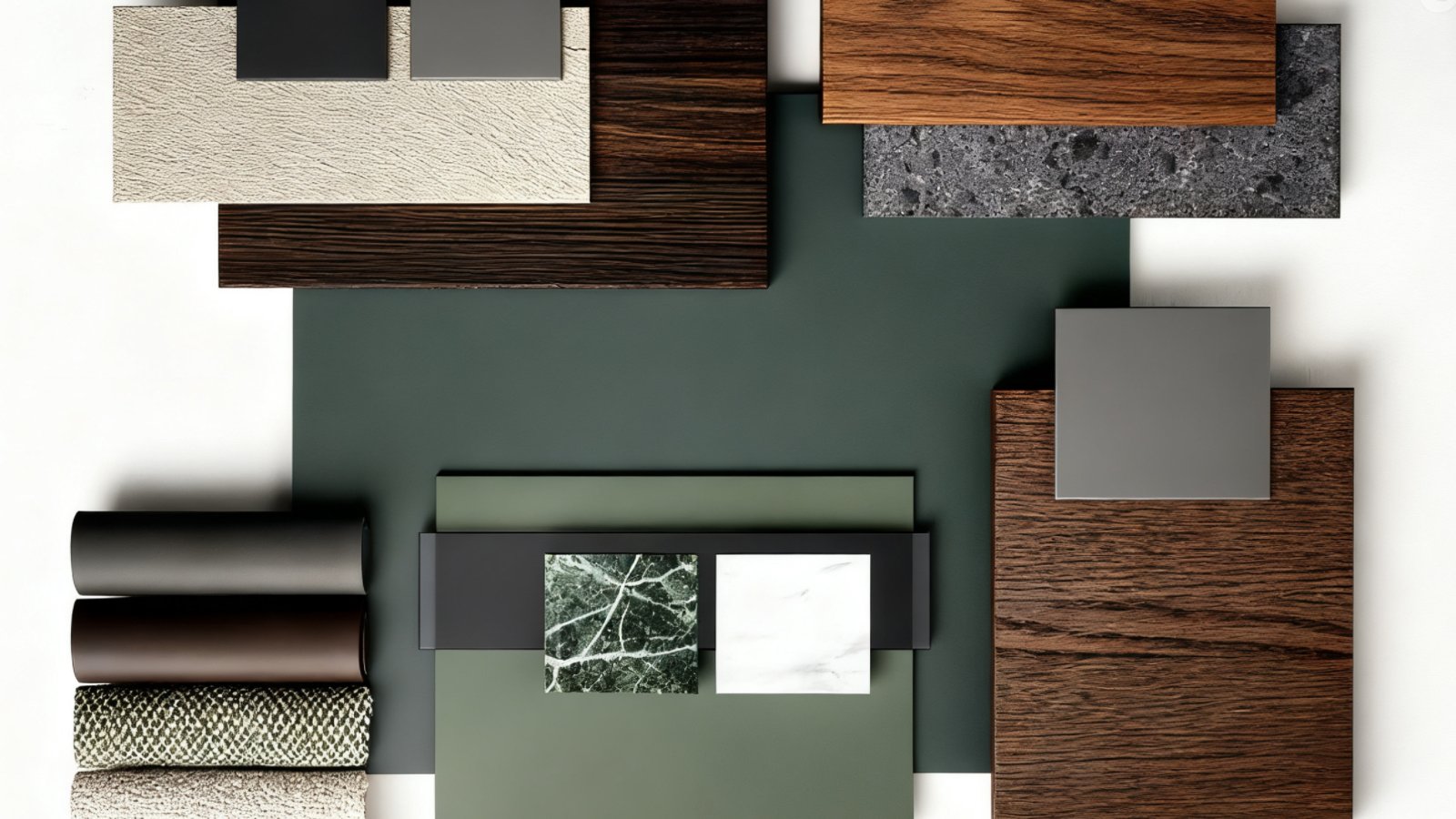
Design palettes are shifting toward calm natural tones and tactile finishes. The contrast between matte and brushed textures creates visual warmth, while curved forms replace rigid lines to evoke a sense of comfort and flow.
- 🎨 Colors: Sand beige, mist grey, muted olive.
- 🪶 Textures: Open-grain veneers, soft-touch laminates, powder-coated metals.
- ✨ Forms: Rounded edges, organic silhouettes, and mixed materials.
4. Real Case Studies — Global Inspiration for 2026
📍Case 1: Compact Apartment, Singapore
Wall bed + foldable dining table reduced space usage by 40%. Hardware from Hafele, ash veneer panels on moisture-resistant plywood — functional, sleek, and easy to maintain.
📍Case 2: Boutique Café, Melbourne
Custom benches built with reclaimed oak and black steel framing. The modular design allows disassembly for relocation while maintaining its original industrial charm.
📍Case 3: Home Office, Toronto
Integrated acoustic felt panels into bookshelf design — combining storage, aesthetics, and sound absorption in a single unit.
5. Key Takeaways — What These Designs Tell Us
- 🧠 Customization = Functionality: Every square inch should serve a purpose.
- ⚙️ Design + Engineering synergy: Early collaboration ensures precision and faster lead time.
- 🌎 Durability matters: Long-life furniture aligns with environmental values.
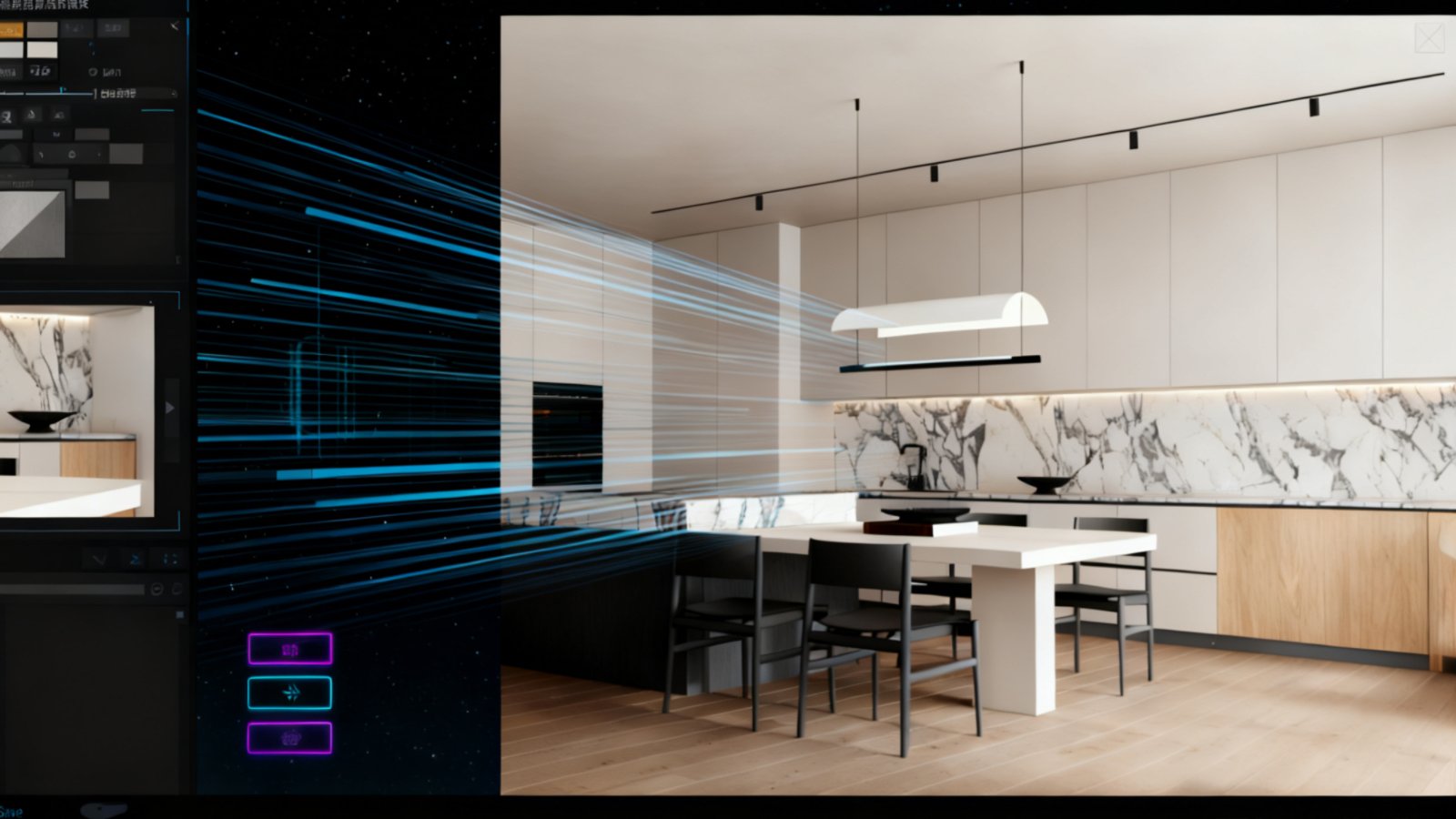
- 📱 Digital visualization: AR previews make custom furniture decisions easier and faster.
Design evolution is less about trends and more about smarter, user-centric solutions.
Conclusion — From Concept to Reality
As we move into 2026, custom furniture design merges adaptability, sustainability, and human connection. Whether you’re designing for homes or commercial spaces, blending craft and innovation will define success.
Need help visualizing your next project? Our design team can turn your ideas into 3D concepts, recommend sustainable materials, and connect you with reliable manufacturers.
