Sustainable Materials in Custom Furniture: 2026 Guide

Sustainability is no longer optional β€” it’s expected. In 2026, custom furniture designers prioritize materials that reduce environmental impact while maintaining durability and style. This guide explores eco-friendly options and practical tips for sourcing responsibly.
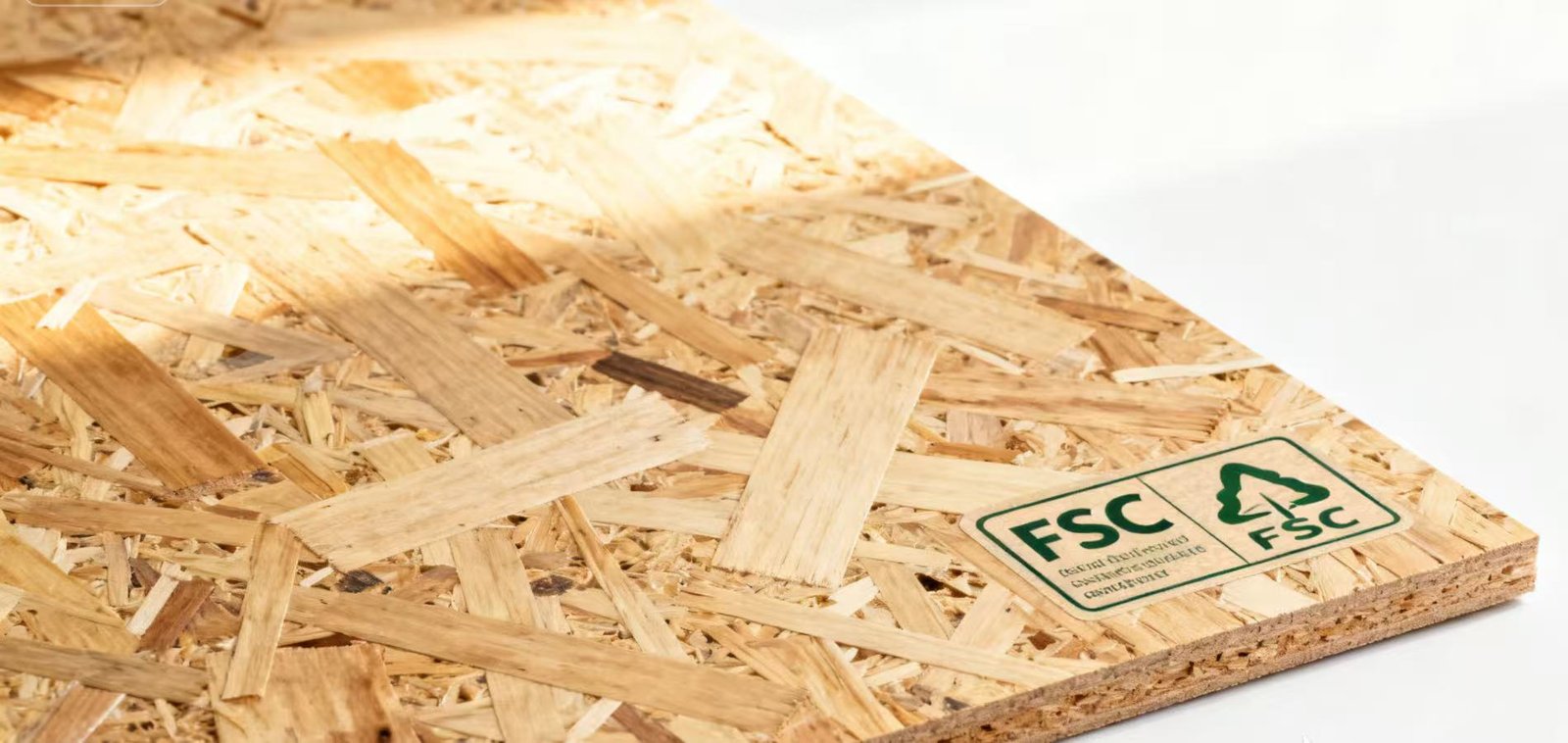

Eco-friendly wood and recycled composite panels with green certification labels displayed

Why Sustainable Materials Are Important

  • 🌱 Environmental impact β€” Reduces deforestation, landfill waste, and carbon footprint.
  • πŸ›‘ Health benefits β€” Low-VOC finishes and natural adhesives improve indoor air quality.
  • πŸ’‘ Longevity β€” High-quality, responsibly sourced materials often last longer.

Top Eco-Friendly Materials for 2026

  • πŸͺ΅ Plywood from FSC-certified forests β€” Maintains strength while supporting responsible forestry.
  • ♻️ Recycled particle board β€” Made from recovered wood fibers, often laminated for durability.
  • 🌿 Water-based finishes & adhesives β€” Reduces VOC emissions and chemical exposure.
  • 🎨 Veneers and laminates β€” Thin slices of real wood or bamboo over sustainable cores.
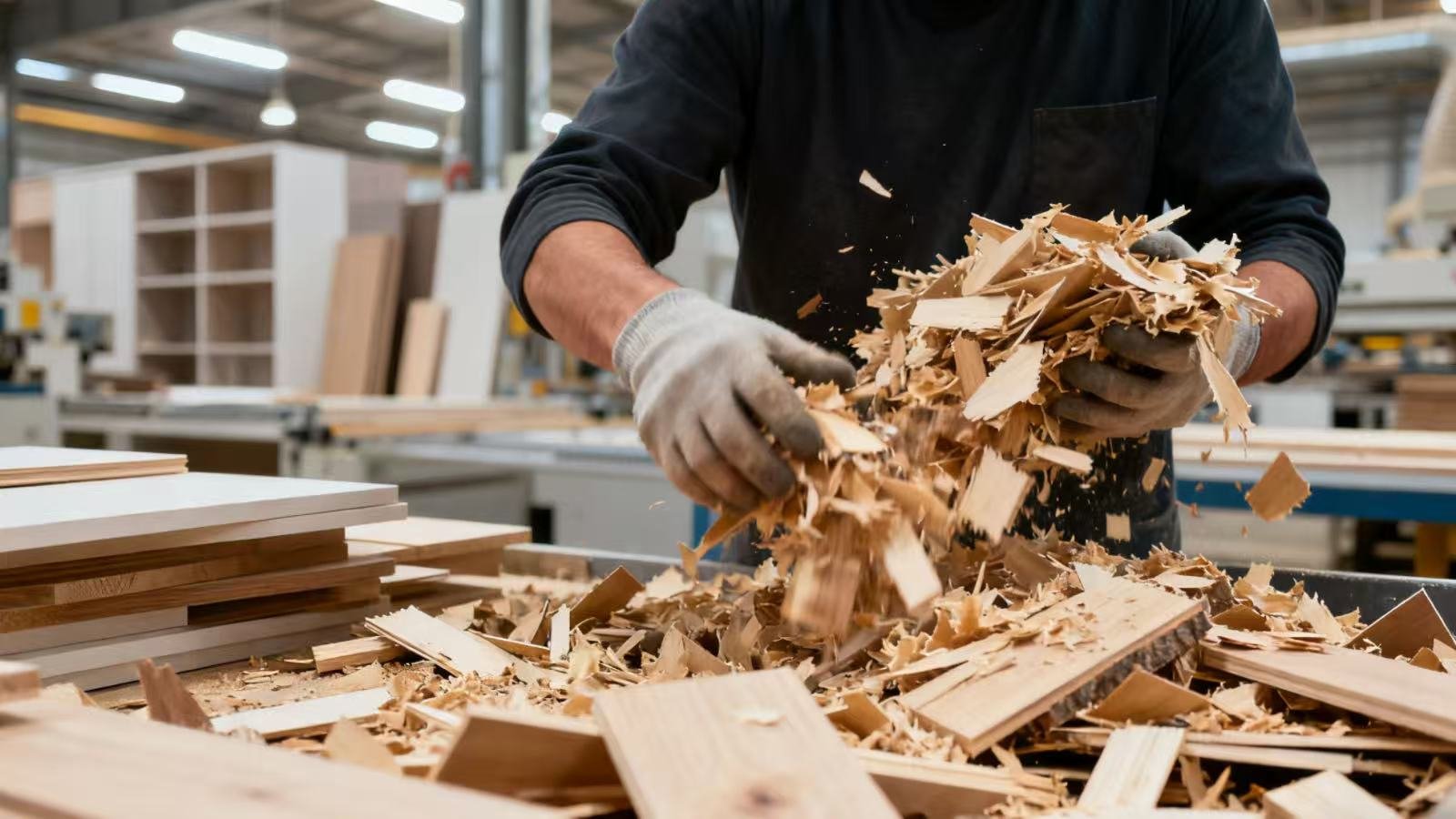

Factory worker sorting wood waste for recycling in a green-certified workshop

How to Verify Sustainable Materials

Not all β€œgreen” claims are equal. Check for recognized certifications:
  • 🌳 FSC (Forest Stewardship Council) β€” Responsible forest management.
  • βœ… CARB (California Air Resources Board) β€” Low formaldehyde emissions.
  • ♻️ ISO 14001 β€” Environmental management system compliance.
  • 🌿 Recycled content labels β€” Ensures actual reuse of materials.
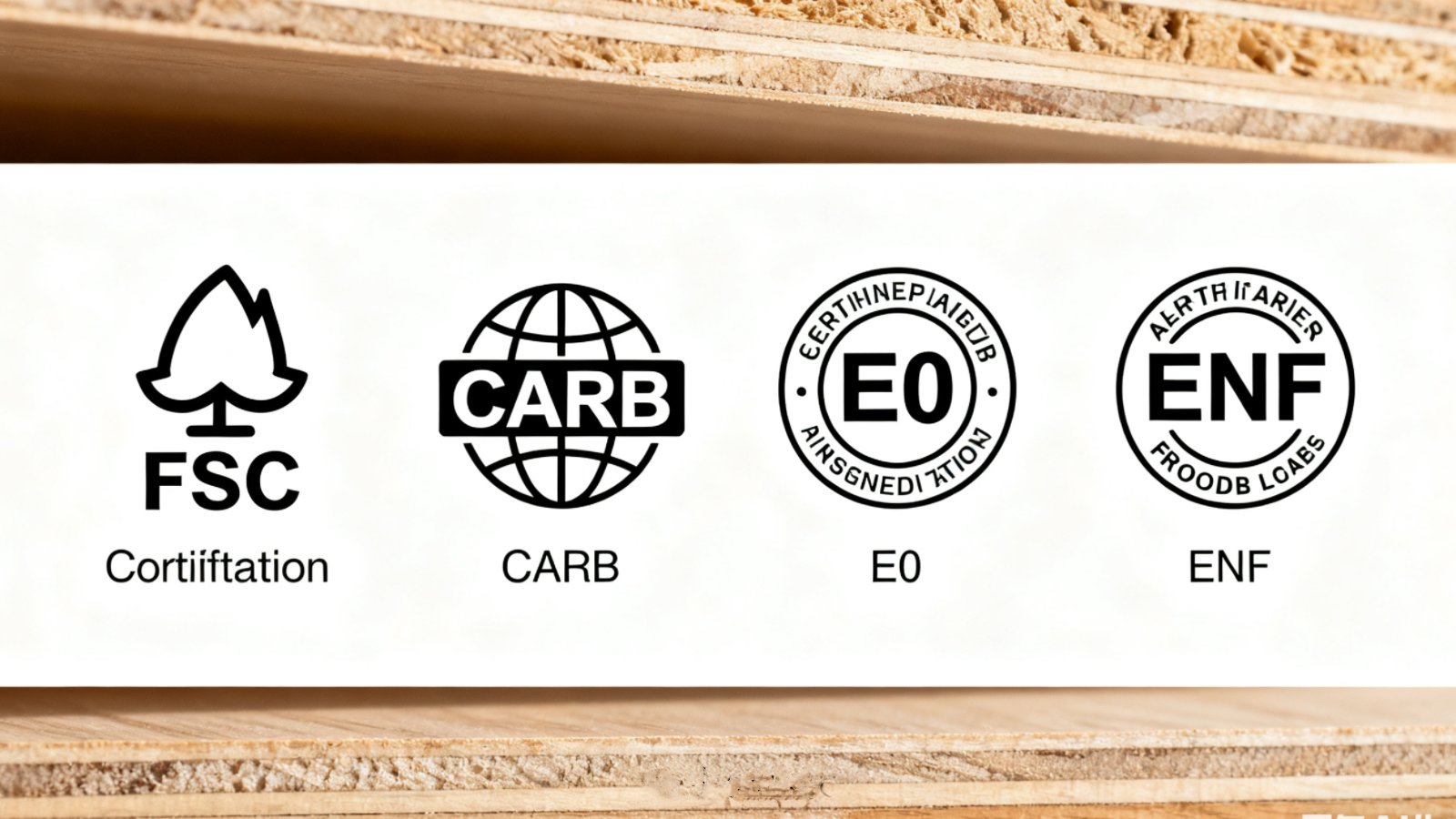
Certification badges such as FSC, CARB, and E0 displayed together on a clean background

Tips for Using Sustainable Materials in Your Projects

  1. Mix and match: combine plywood, veneers, and recycled particle board to balance cost and sustainability.
  2. Prioritize high-use areas with durable eco-friendly cores and finishes.
  3. Ask suppliers for lifecycle assessments to understand environmental impact.
  4. Consider modular designs to extend furniture lifespan and reduce waste.


Close-up of low-VOC water-based coating being applied on a wood surface

FAQ & Common Misconceptions About Sustainable Materials

Q: Are eco-friendly materials more expensive? A: Slightly higher upfront, but they often last longer and reduce replacement cycles. Q: Can recycled particle board be used in kitchens? A: Yes, if properly laminated or sealed to resist moisture and heat. Q: Do sustainable finishes limit design options? A: Not at all β€” modern water-based paints, veneers, and laminates provide versatile aesthetics.
Myth: β€œSustainable furniture is weak or low-quality.” Reality: Properly sourced and manufactured eco-friendly materials are as durable as conventional options.
Scroll to Top

Wait! Before you leave πŸ‘‹

Get our latest Furniture & Hardware Catalog β€” with factory pricing and export-ready details.
No spam. We’ll only send factory updates & new product info.