Custom Furniture Guide 2026: The New Era of Design, Function, and Personalization
As mass-produced furniture floods the market, custom furniture has quietly evolved from a niche luxury into a new standard of living. In 2025, “custom” no longer means complicated or expensive — it means smart, sustainable, and personal. This guide will help you understand how custom furniture can transform both homes and businesses, and how to design or source the right pieces that last for decades.
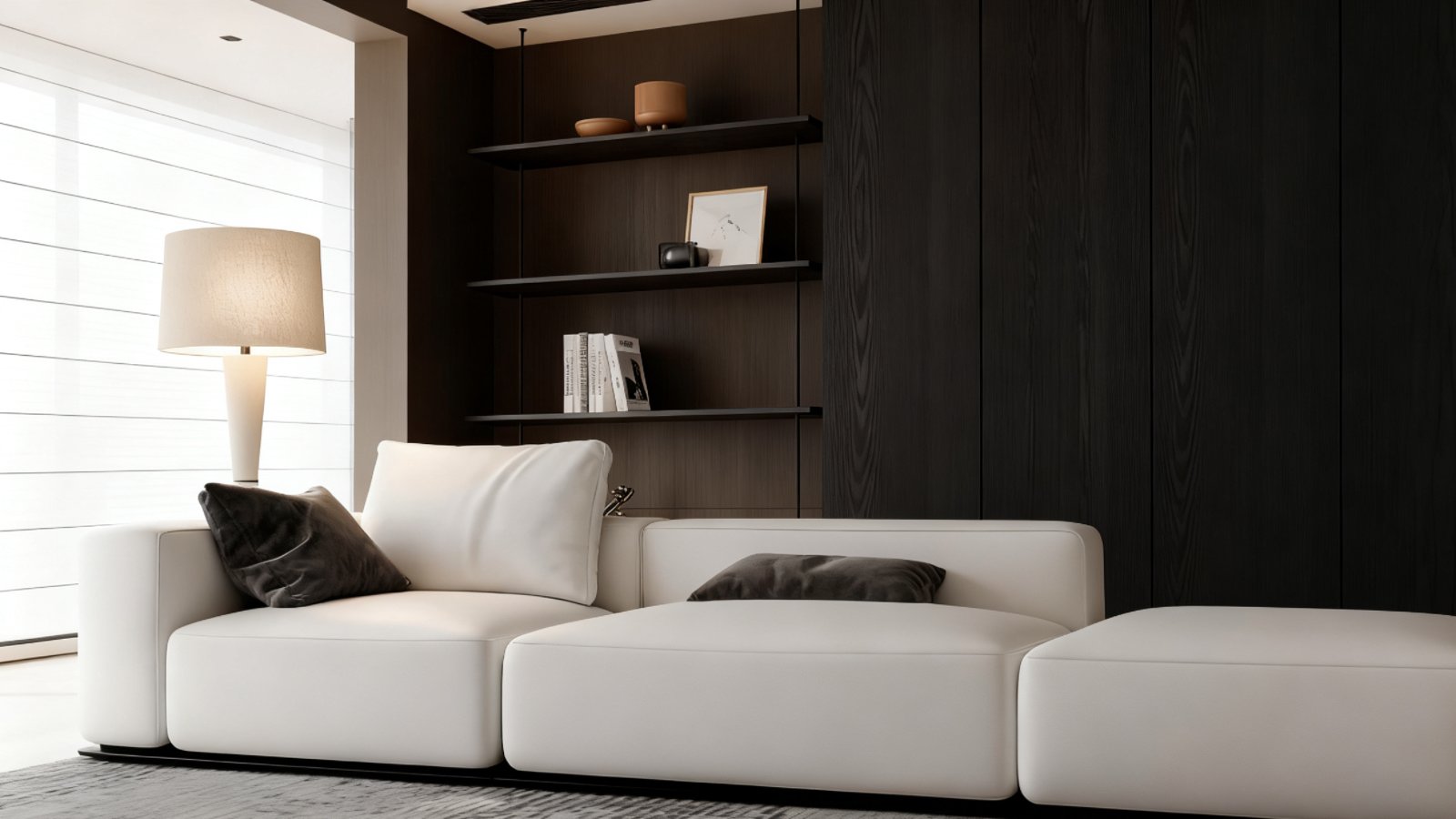
Why Custom Furniture Is the Future of Interior Design
Custom furniture allows homeowners, designers, and brands to create spaces that reflect identity and solve real spatial challenges. In an era of flexible living — compact apartments, multifunctional rooms, and hybrid offices — custom-built solutions are not just aesthetic choices, but smart investments.
- 🪵 Material flexibility: Choose between solid wood, MDF, eco panels, or recycled materials depending on style and budget.
- 🎯 Precision fit: Built to exact room dimensions, eliminating wasted space.
- ♻️ Sustainability: Local manufacturing and durable materials reduce carbon footprint.
- 💡 Design freedom: Aligns perfectly with your lifestyle and visual preference.
Real User Questions (from Reddit) — and Expert Answers
“Is custom furniture worth it? I can buy cheaper from IKEA — why bother?”
— r/HomeImprovement, Jan 2025
Answer: Yes, but not for every situation. Custom furniture is ideal when space, functionality, or aesthetics matter deeply. Think of narrow hallways, corner kitchens, or media walls — places where mass furniture never fits quite right. When done well, custom furniture adds long-term value and eliminates replacement cycles. In short: custom saves space, time, and future headaches.
“How long does it take to build custom furniture?”
— r/DIY, Feb 2025
Answer: Production times vary between 2–6 weeks, depending on design complexity and materials. Reliable manufacturers (like our own Guangzhou-based workshop) use CNC precision cutting and modular assembly to shorten lead times without sacrificing quality.
The 3 Core Principles of Custom Furniture Design
1. Function Before Form
Every project begins with purpose. Whether it’s a built-in cabinet or a statement dining table, identify what problem the piece must solve first. Aesthetic refinement comes after the function works flawlessly.
2. Material + Hardware Harmony
Hardware defines longevity. Hinges, runners, and connectors often decide whether your furniture feels “cheap” or “premium.” Choose hardware that matches both your material and lifestyle — for example, soft-close drawer runners for family homes, or heavy-duty brackets for rental apartments.
3. Seamless Integration
Custom furniture should blend into architecture, not float apart from it. Hidden panels, integrated LED lighting, or wall-mounted systems create a continuous visual rhythm that mass furniture rarely achieves.
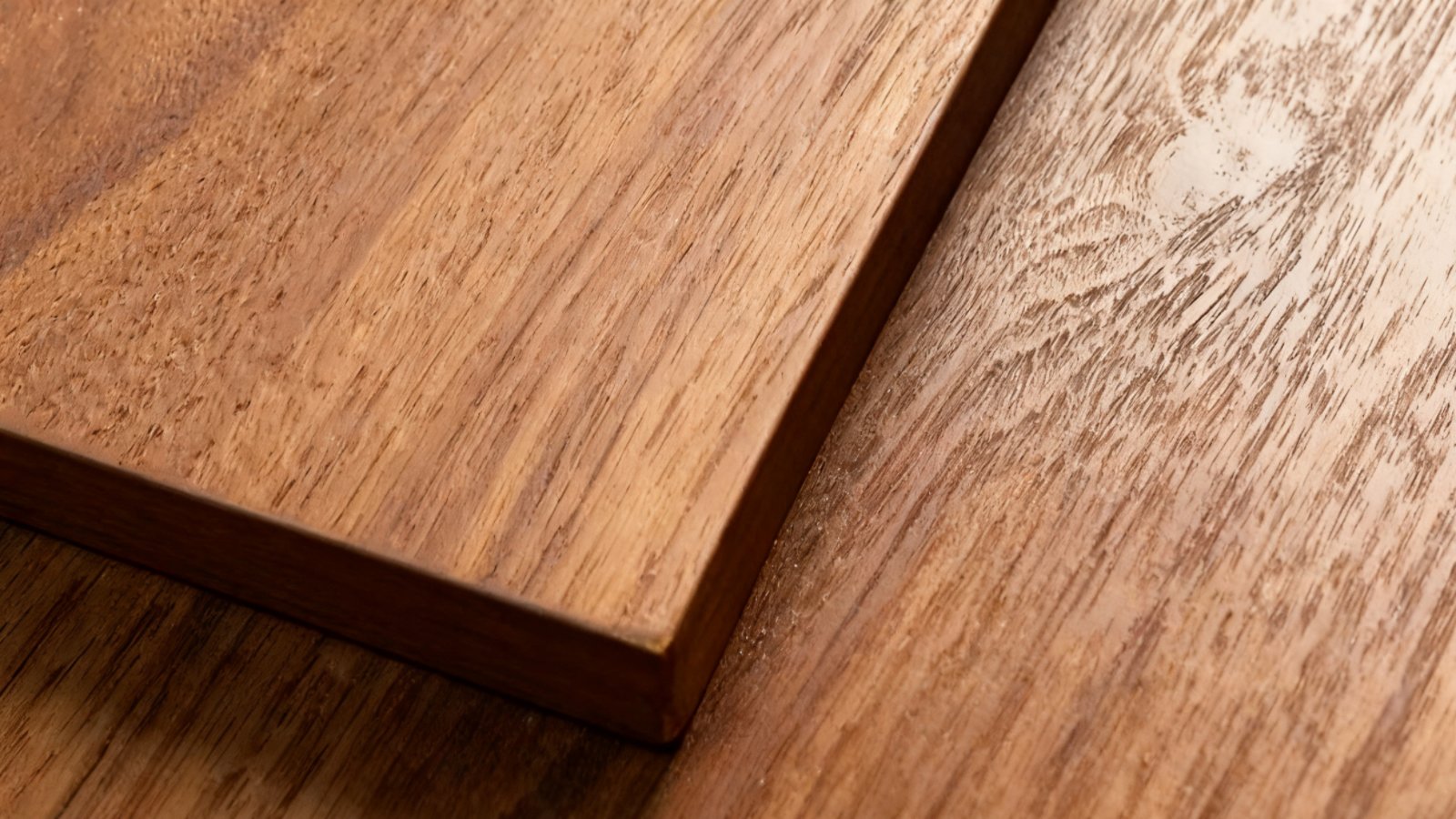
How to Choose the Right Custom Furniture Maker
Choosing a reliable partner is key. In the Reddit community r/InteriorDesign, users frequently complain about hidden costs, inaccurate measurements, and poor installation. Avoid these pitfalls by verifying:
- Transparent pricing — No “extra fees” after quote confirmation.
- In-house design team — Designers and installers under one system.
- After-sale service — At least 3–5 years warranty and local repair options.
- Verified material sourcing — Request documentation for wood origin and hardware brands.
Common Myths About Custom Furniture
Myth 1: “Custom furniture is always more expensive.”
Reality: Modular CNC production has reduced costs by 20–30% compared to early 2010s pricing. For long-term use, custom is often cheaper than replacing low-quality items every few years.
Myth 2: “You need to be a designer to order custom furniture.”
Reality: Most modern workshops offer visual mockups and free design consultation, even for small orders.
Myth 3: “Custom means slow.”
Reality: A well-organized workshop can deliver within weeks using automated CNC and standardized joinery.
FAQ — Quick Answers for Buyers
Q1: Can I order custom furniture online?
A: Yes. Many manufacturers now support digital consultations and 3D previews before production.
Q2: What if I move houses — can my custom furniture be reused?
A: Some modular designs allow disassembly and reinstallation. Always confirm this during design stage.
Q3: What’s the average warranty period?
A: Reputable makers offer 3–5 years warranty on structure and hardware.
Q4: Are custom furniture materials sustainable?
A: Yes, if sourced responsibly. Many workshops offer FSC-certified panels and water-based paints.
Conclusion: Custom Furniture Is the New Normal
From Reddit threads to design studios, one truth stands out: people no longer want “standard.” They want furniture that fits their story. Whether you’re a homeowner optimizing space, a designer curating experience, or a builder seeking reliability — custom furniture is the intersection of beauty and logic.
At Stetnala, our mission is to make personalization practical — with precision engineering, honest materials, and transparent pricing.
📚 Next step: Explore our deep-dive guides below to learn more about materials, hardware, and production timelines.
Custom Furniture Knowledge Hub 2026
Welcome to our complete Custom Furniture Knowledge Hub — an expert-level guide covering every stage from design and materials to production and digital marketing.
This content cluster is built to help homeowners, interior designers, and global importers understand how real custom furniture projects succeed — both in craftsmanship and business.
📚 Explore the Full Cluster Series
Discover the key differences between custom and mass-produced furniture — cost, longevity, and design flexibility. Includes buyer pitfalls and case studies from real projects.
A complete guide to 2026 furniture hardware — slides, hinges, handles, and mechanisms. Learn what defines durability, testing standards, and sourcing quality hardware suppliers.
Dive deep into plywood, particle board, veneers, and new eco composites. Understand moisture resistance, stability, and how to select cost-effective core materials for production.
Explore sustainable design practices, VOC-free coatings, and recycling trends that define eco-friendly furniture manufacturing in 2026.
From design confirmation to installation — a full breakdown of how custom furniture projects move through each production stage. Includes real factory benchmarks.
Discover the upcoming design directions — from minimalist and Japandi styles to AI-assisted rendering workflows and color trends in 2026 interiors.
How factories reduce waste, integrate renewable resources, and align production with circular design principles — for both B2B buyers and homeowners.
Learn how custom furniture brands use AI, short videos, and AEO-based SEO to reach global audiences. A roadmap for digital transformation and brand growth.
✨ Start Exploring
Each article is interconnected — together, they form the complete knowledge system of modern custom furniture manufacturing and marketing.
Click any topic to begin your journey →
