Section 1 — Structural Trends (How Cabinets are Built)
1. Handleless Cabinets (Invisible, Clean, Durable)
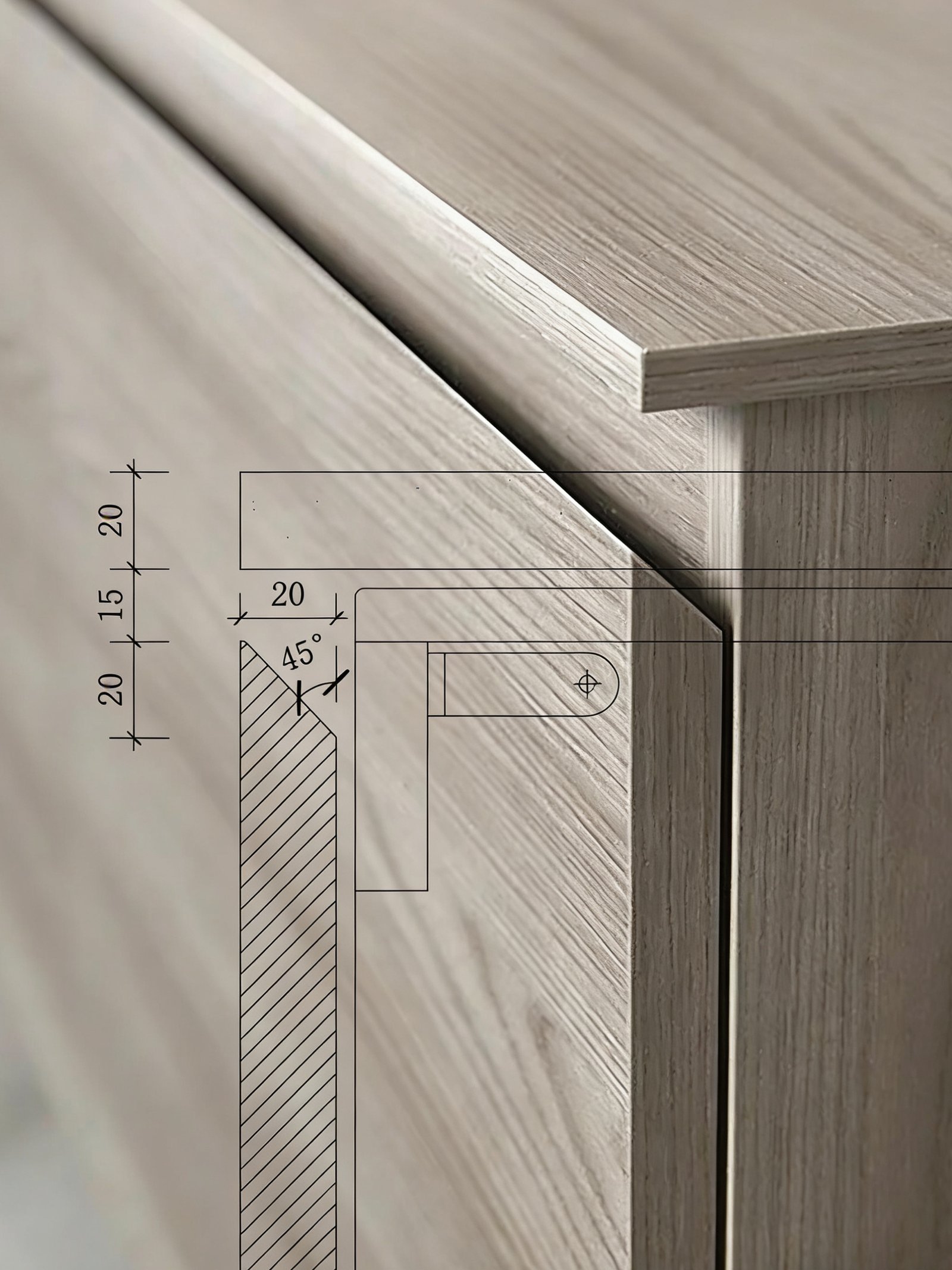 Handleless cabinets — whether using a Gola profile, recessed channels, or push-to-open systems — remain the dominant high-end choice. From a factory perspective, handleless systems are production-friendly: consistent milling, standardized grooves, and repeatable tolerances lead to fewer installation issues and higher perceived value on-site.
- Factory note: Laser routing and CNC tolerance control make Gola/slot systems fast to produce at scale.
- Buyer benefit: Cleaner visual lines, easier to clean, and compatible with matte PET finishes where fingerprints are minimized.
2. Full-Height / Full-Height-To-Ceiling Cabinets
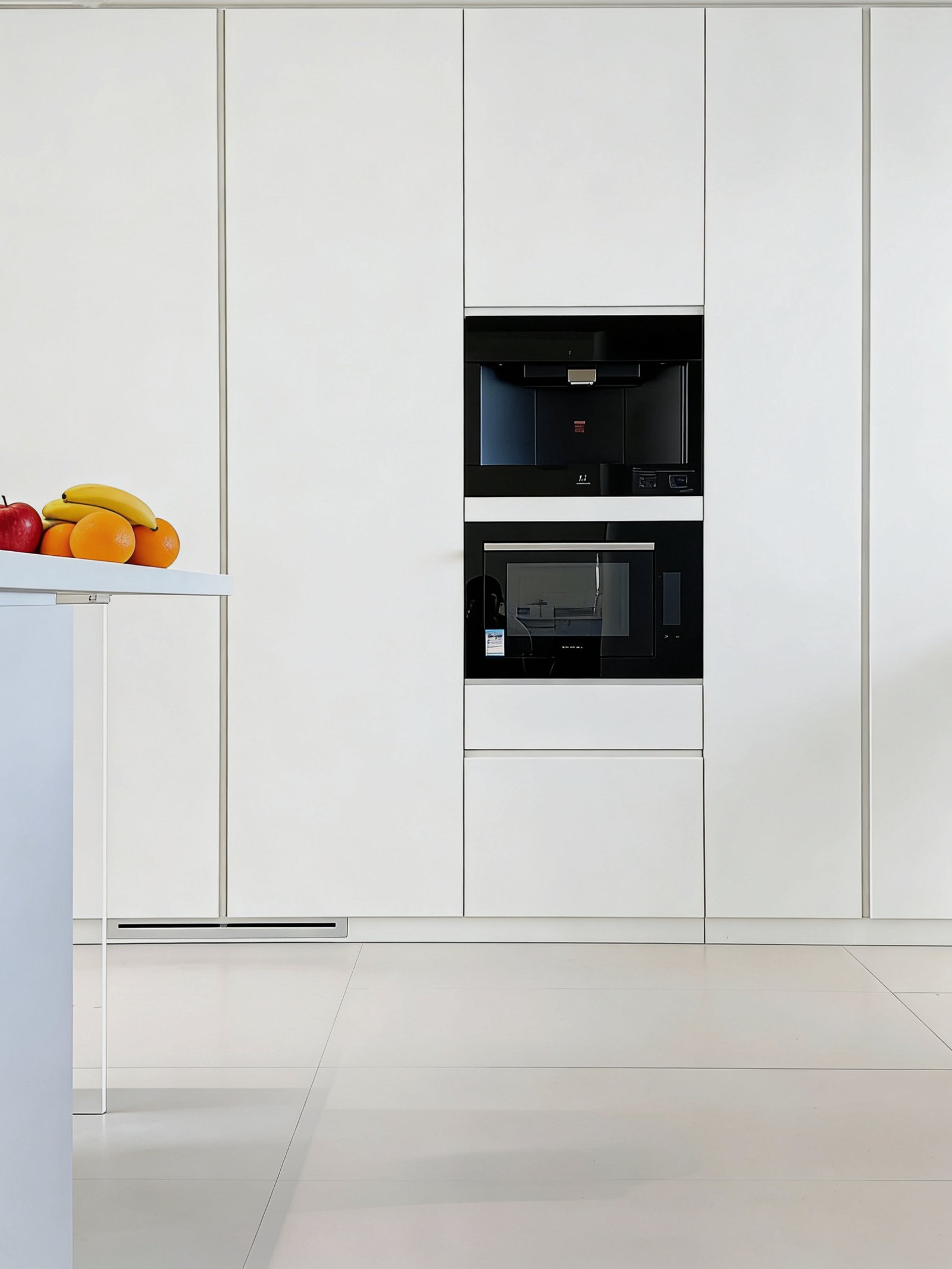 Full-height cabinets are trending strongly in U.S. markets. From the factory side, running continuous panels and taller carcasses simplifies certain assembly steps (fewer upper rail pieces) and reduces visible dust gaps for homeowners — but increases demands on panel flatness and handling during installation.
- Eliminates dust ledges and yields a premium look.
- Requires careful design for HVAC/electrical considerations around ceiling fixtures.
3. Integrated Storage Systems (Function as Feature)
 Integrated storage (spice pull-outs, appliance garages, vertical tray storage) is not just a convenience — it’s a major conversion point. Factories that standardize modular inserts and flexible carcass spacings can provide cost-effective packages that designers love and homeowners value.
- Factory tip: Offer modular insert kits sized by common cabinet widths (300/400/600mm) to speed quoting and assembly.
Section 2 — Material Trends (What Cabinets Are Made From)
Materials define both look and longevity. Below are the high-impact material trends factories are pushing in 2025.4. Matte PET Panels (High-end, Practical Finish)
 Why PET: PET (Polyethylene Terephthalate) provides a non-toxic, odorless surface that can be manufactured in both matte and gloss. When bonded to MDF or plywood substrates, PET panels deliver a soft-touch, premium feel with excellent waterproof properties — especially valuable in kitchens and wet zones.
- Pros: Fingerprint-resistant (matte), premium texture, waterproof, easy-to-clean gloss versions.
- Cons: Limited shaping options, matte can stain with oil, higher cost than melamine.
5. Wood Veneer Revival (Natural Grain, Vertical Emphasis)
 Veneer is back as a luxury, tactile choice. Factories now offer stabilized veneer processes and engineered plywood substrates to reduce movement and improve moisture performance. Vertical-grain light oak and natural walnut are especially popular.
- Pros: Authentic wood texture, high-end feel.
- Cons: Sensitive to humidity and scratches — requires proper finishing and care.
6. Mixed Materials (Contrast & Function)
 Mixing PET, veneer, stainless steel and quartz lets designers deliver tactile contrast and functional performance. For example, PET doors with veneer islands and quartz countertops balance durability and warmth.
Section 3 — Color & Finish Trends (What People Are Choosing)
 Color is a major driver of perceived style. Search data shows sustained interest in both warm neutrals and darker, luxury tones. From a production standpoint, color choices interact with finish type — matte PET behaves differently than painted lacquers.
- Earth Tones: Clay, sand, greige and muted greens — warm, timeless, compatible with wood veneer.
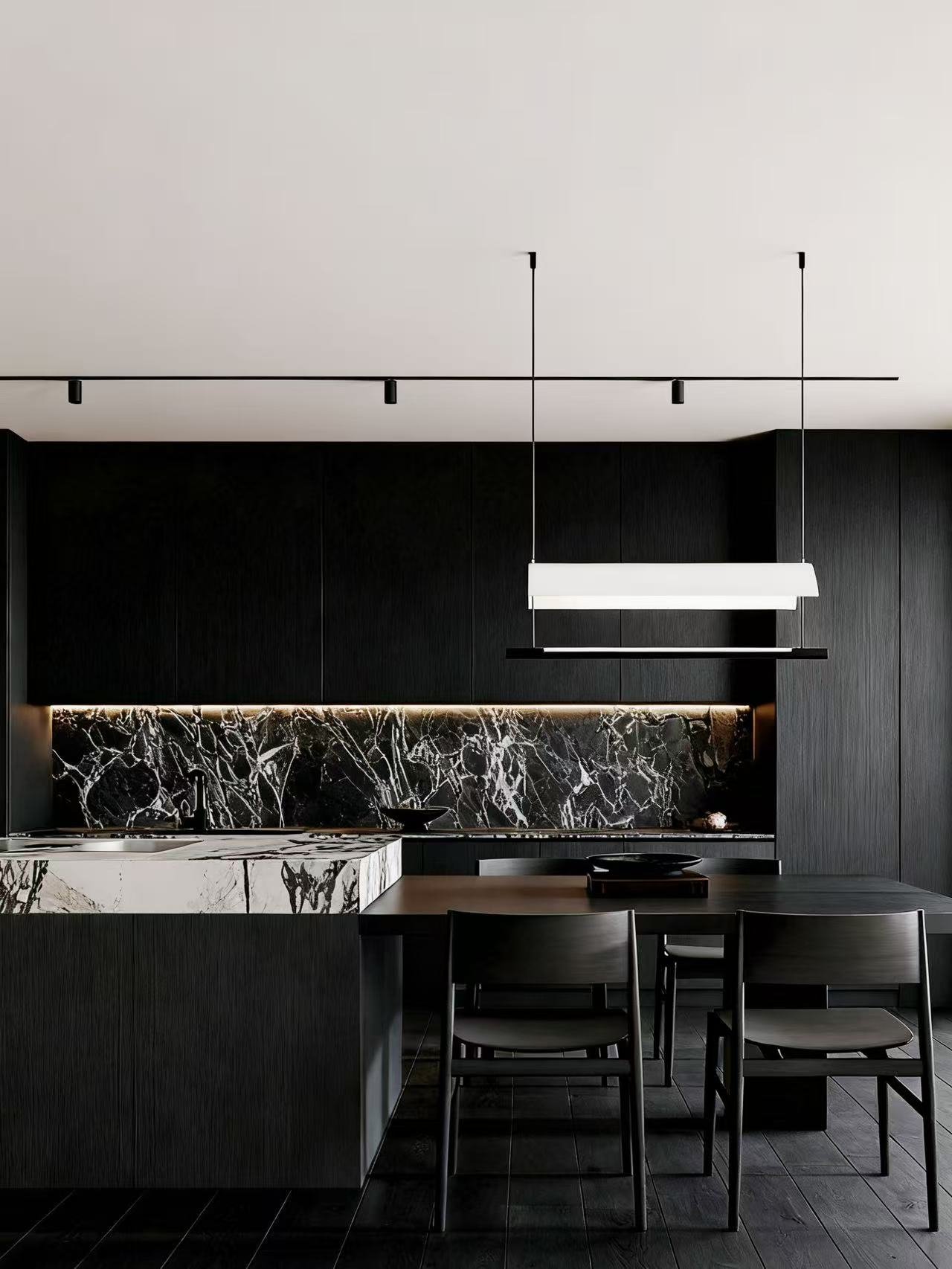
- Dark Luxury: Charcoal, deep navy, matte black — often paired with integrated lighting and metal accents.
- Accent Islands: Two-tone kitchens (neutral perimeter + colored island) remain highly popular.
Section 4 — Manufacturing & Craft (What Factories Are Doing)
9. Laser Edge Banding (Seamless, Waterproof Edges)
 Laser edge banding provides almost invisible edges and excellent moisture resistance — a competitive advantage for factories supplying humid climates. It’s one of the key production differentiators between a basic cabinet shop and a modern factory line.
10. Premium Hardware Integration (Soft-Close, Hidden Systems)
 High-grade German rails, soft-close dampers, and hidden drawer mechanisms substantially improve perceived quality and longevity. Factories that stock and pre-fit these systems reduce installation time and warranty issues.
Read our hardware guide for specs and testing:
Furniture Hardware Guide 2026
High-grade German rails, soft-close dampers, and hidden drawer mechanisms substantially improve perceived quality and longevity. Factories that stock and pre-fit these systems reduce installation time and warranty issues.
Read our hardware guide for specs and testing:
Furniture Hardware Guide 2026
Section 5 — Space Planning Trends (How Cabinets Are Used)
11. Pantry Expansion — From Cabinets to Walk-in Systems
 Pantries are treated as separate design projects. Tall pantry towers, appliance pantries and pull-out organizing towers are high-conversion items for factories.
12. Laundry & Mudroom Cabinetry
 Practical cabinetry for mudrooms and laundry — waterproof plywood carcasses + PET doors — meet both functional and stylistic needs in modern homes.
Section 6 — Design Styles (Aesthetic Directions)
13. Japandi & Calm Minimalism
Japandi mixes Scandinavian minimalism with Japanese warmth — perfect for veneer panels and soft natural palettes.14. Minimalist European Style
Clean lines, subdued colorways and integrated appliances — often realized with matte PET and handleless systems.15. Sustainable Design
Sustainability is not a trend but a standard — low-VOC finishes, FSC-certified substrates, and recycled hardware are now expected by many specifiers. Learn more about eco choices here: Sustainable Materials GuideSection 7 — What This Means For Buyers (Practical Advice & CTAs)
 From a buyer standpoint, these trends imply clear choices:
- If you want a luxury, low-maintenance kitchen: choose matte PET doors, laser-edge plywood carcasses, and soft-close hardware.
- If you want warmth and resale appeal: prioritize wood veneer on engineered plywood with vertical grain finishes.
- For highest durability in wet zones: consider stainless steel carcasses or PVC-wrapped plywood for base cabinets.
- Custom Furniture Guide
- Material Quality in Custom Furniture
- Furniture Hardware Guide 2026
- Custom Furniture Production Timeline
- Design Trends & Case Studies
FAQ
Are matte PET cabinets durable?
Yes — PET panels bonded to plywood or MDF provide excellent water resistance and scratch resistance; gloss versions are easier to clean, while matte offers a soft-touch finish.
What is the best material for kitchen cabinet carcasses?
Waterproof plywood is generally the best balance of strength, moisture resistance and longevity. Stainless steel is an option for commercial or specialty installations.
How do I choose between veneer and PET?
Choose veneer for natural texture and high-end aesthetics; choose PET for waterproof performance and low maintenance. Mixed approaches (veneer island + PET perimeter) are popular and effective.