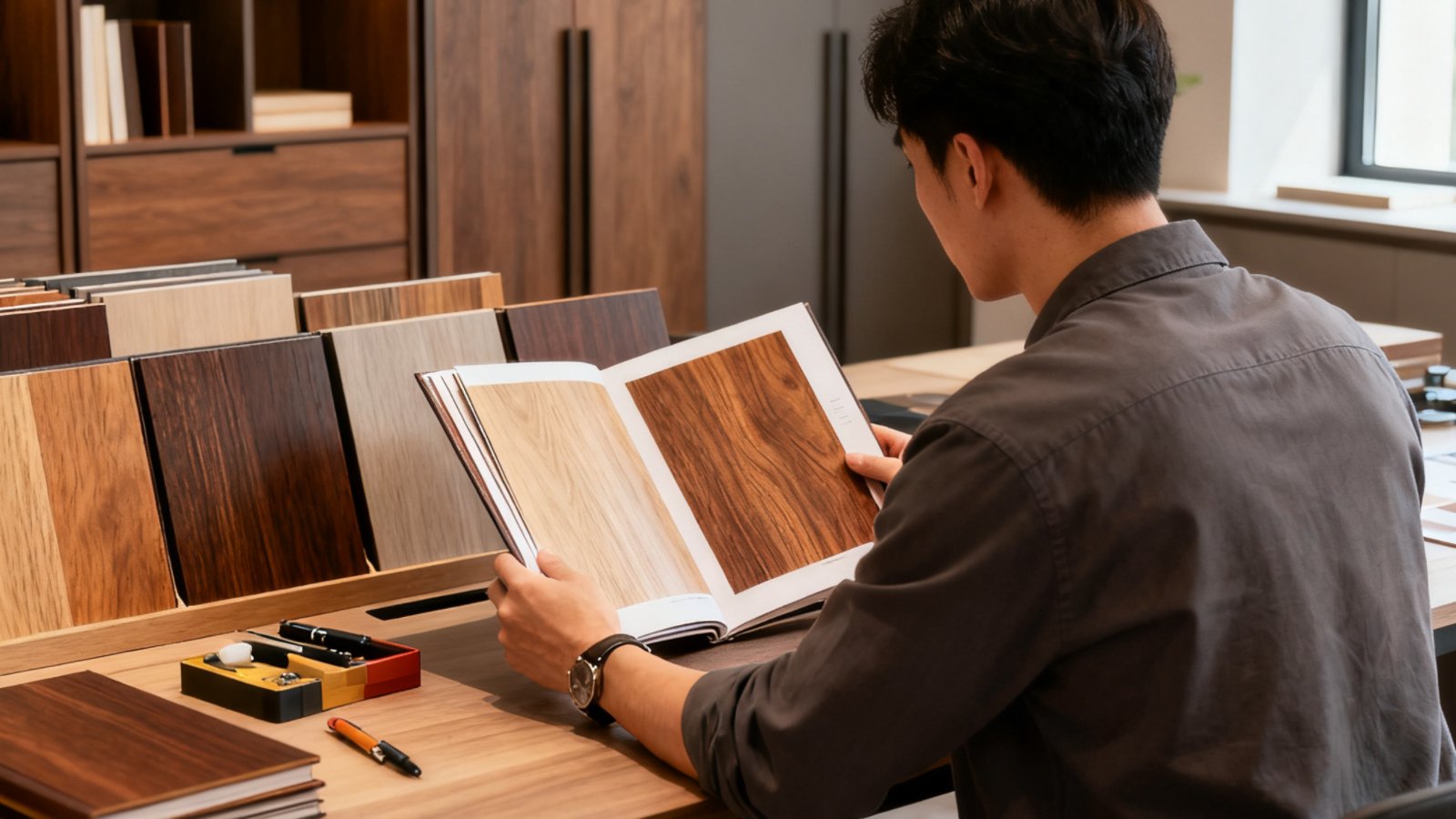
Material Quality in Custom Furniture: A 2026 Guide
Selecting the right materials is critical for durability, aesthetics, and long-term value in custom furniture. In 2026, plywood, particle board, and wood veneer remain the most popular choices for cabinetry and built-ins. Understanding their strengths and limitations helps you make informed decisions.

Why Plywood Is the Backbone of Custom Furniture
- 🪵 Strength & stability — Cross-laminated layers resist warping better than particle board.
- 🎨 Finish-friendly — Accepts paint, laminate, or veneer easily.
- ♻️ Eco options — Many suppliers offer FSC-certified plywood.
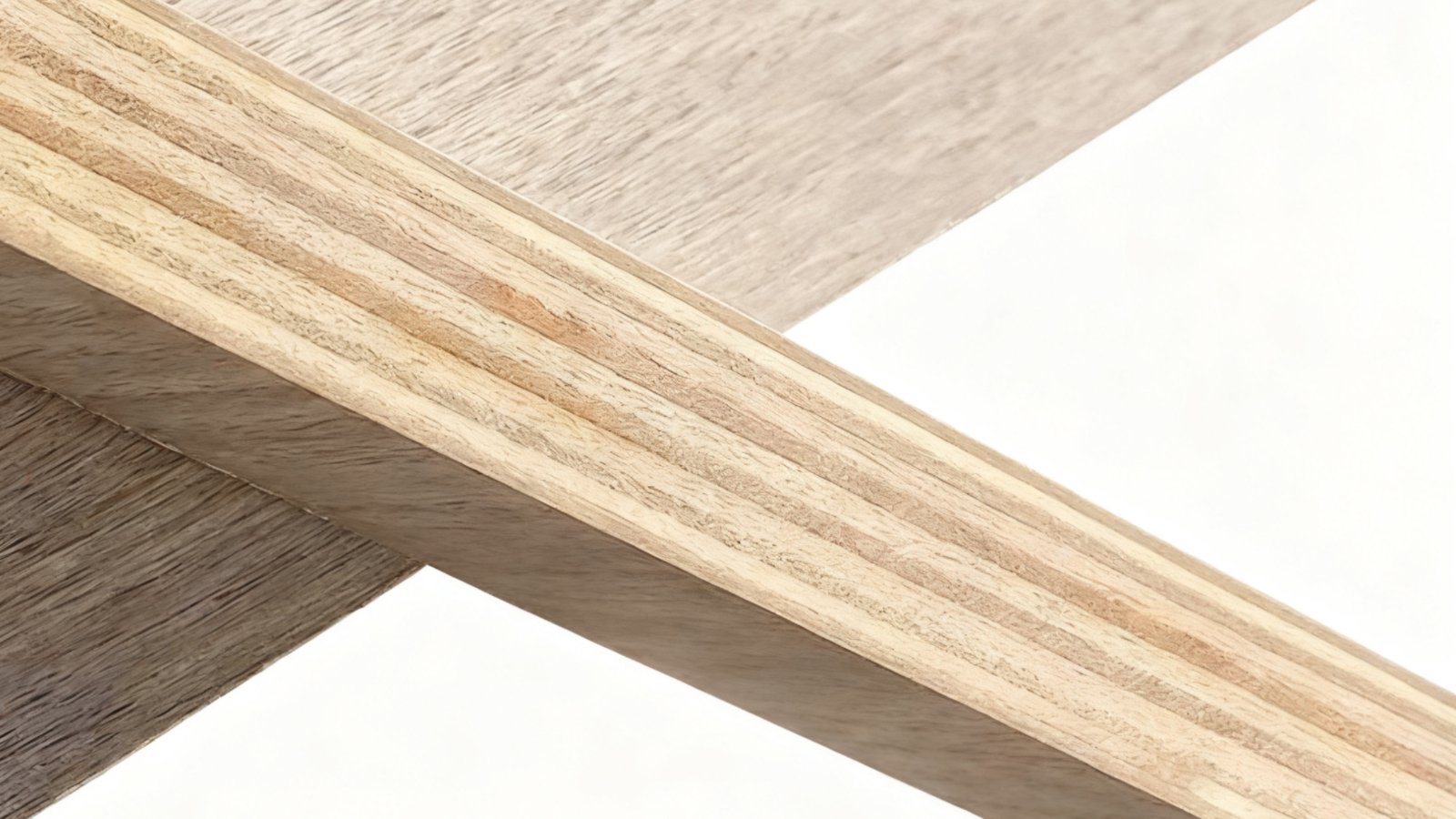
Material Selection: Matching Needs, Budget, and Style
Consider usage, environment, and lifespan. For kitchens or bathrooms, plywood resists humidity. For decorative shelving, veneer over plywood can save cost. Particle board is acceptable for light-use storage.

How to Vet Material Suppliers — Quick Checklist
- Check certifications (FSC, CARB, ISO) for compliance and sustainability.
- Request sample boards to test color, finish, and warping tendencies.
- Confirm delivery capabilities and batch consistency.
- Review past client projects or testimonials.
- Compare pricing and warranty for defects or delamination.