Custom Furniture Sustainability & Eco Materials 2026
As sustainability becomes a key purchasing factor, custom furniture makers are turning to eco-friendly materials, low-emission adhesives, and circular design practices. In 2026, the demand for sustainable furniture is expected to grow significantly, driven by conscious consumers and global environmental policies.
♻️ The Shift Toward Sustainable Design
Custom furniture brands are redefining aesthetics by merging design and responsibility. Instead of mass production, clients now prefer long-lasting pieces crafted from renewable resources such as bamboo, FSC-certified plywood, and low-VOC finishes. The design process emphasizes lifespan, recyclability, and minimal waste generation.
🌿 Eco Materials Leading the Way
- Plywood & Veneer: When sourced responsibly, these remain top-tier materials for sustainable furniture. They minimize solid wood waste while providing durability.
- Recycled Particle Board: A cost-effective alternative using post-consumer wood waste, ideal for budget-friendly yet green production.
- Water-Based Finishes: Replace solvent-based coatings, drastically reducing harmful emissions during production.
- Biodegradable Adhesives: Innovations in formaldehyde-free glue technology have improved both strength and safety.
🌎 Circular Manufacturing in Furniture
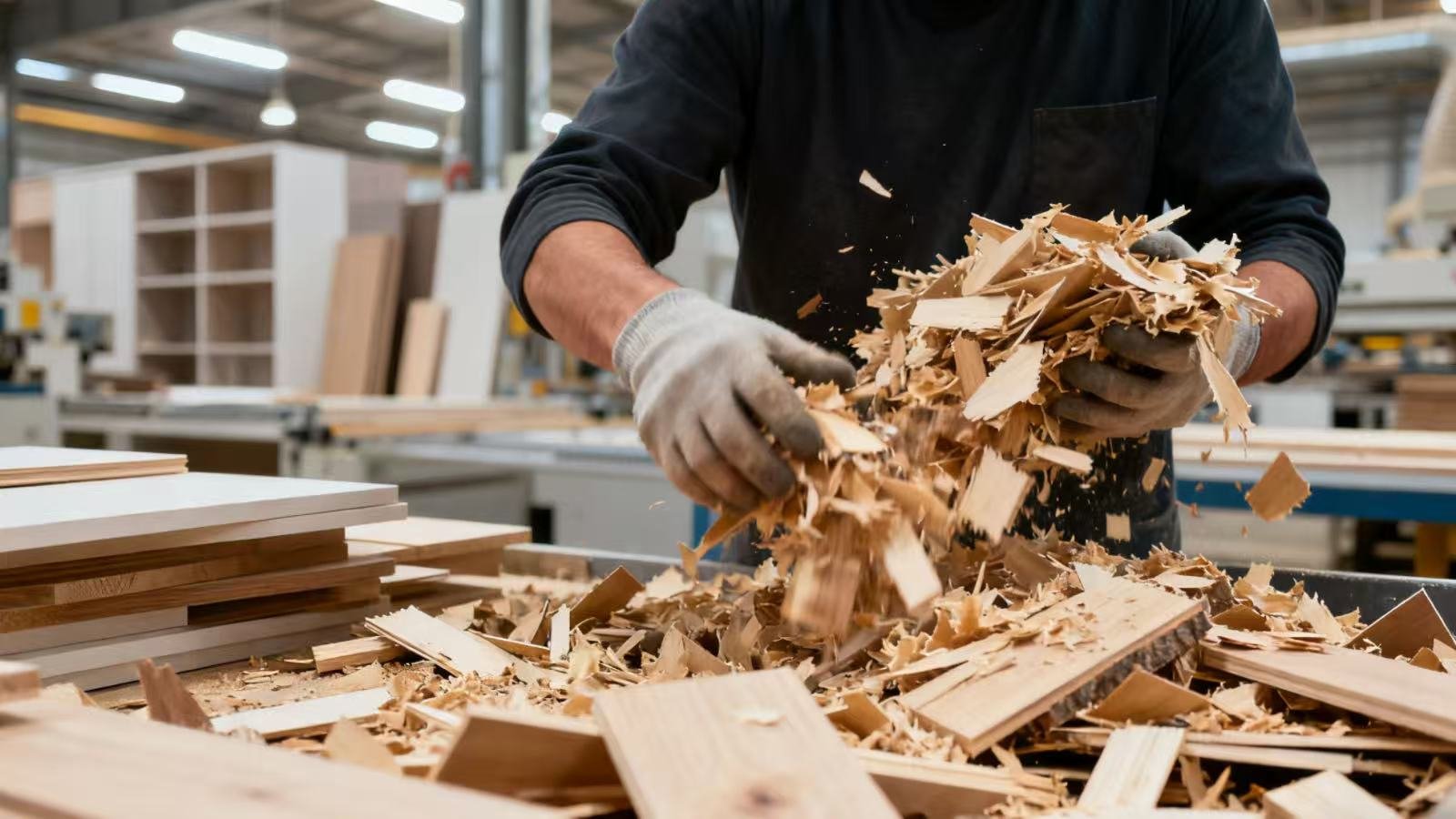
Leading custom furniture factories now adopt circular production systems — materials are reused, components are modular, and offcuts are reintegrated into new designs. This closed-loop approach reduces landfill waste while lowering overall carbon output. AI-powered design optimization further minimizes cutting loss, especially in panel-based furniture manufacturing.
🪵 Sustainable Sourcing and Certifications
In 2026, certifications like FSC (Forest Stewardship Council) and CARB (California Air Resources Board) are becoming mandatory for export-grade furniture. Transparent supply chains help reassure customers that each piece of furniture contributes to environmental protection rather than depletion. Manufacturers also disclose material origins to comply with ESG reporting standards.
🔋 Energy Efficiency in Production
Beyond materials, factories are embracing cleaner energy — from solar-powered CNC lines to automated dust collection systems that recycle wood waste into biomass energy. These improvements not only lower emissions but also reduce long-term operational costs, proving sustainability can be both ethical and profitable.
💡 Consumer Demand & Marketing Advantage
For 2026, sustainable branding equals competitive advantage. Consumers in the US and EU markets actively search for eco-conscious suppliers. Transparent storytelling — showing how furniture is made, what materials are used, and how waste is handled — enhances brand loyalty. Businesses integrating sustainability messaging into their product pages and packaging will outperform traditional sellers.
🚀 The Future: Smart Materials & Carbon Tracking
Next-generation eco materials like bio-resins, hemp composites, and recycled plastics are entering the furniture supply chain. In 2026–2030, digital carbon tracking systems will help quantify and communicate a product’s environmental footprint, giving consumers transparency and trust in every purchase decision.
📘 Summary
The sustainability movement in custom furniture is no longer optional — it’s an industry standard. By using renewable plywood, recycled boards, and safe adhesives, and by adopting clean manufacturing practices, brands can attract eco-conscious clients while reducing their carbon footprint. In 2026, “eco-smart design” defines the next wave of furniture craftsmanship.
